Dental Implants in Purnia: A Modern Solution for Missing Teeth
Missing one or more teeth can affect much more than your smile. It may make chewing difficult, affect speech, change facial appearance, and cause nearby teeth to shift over time. Dental implants are one of the most advanced options for replacing missing teeth because they are designed to replace the tooth root and support a natural-looking replacement tooth.
At Apex Dental Clinic, Purnia, dental implant treatment is planned according to the patient's oral health, bone condition, number of missing teeth, and treatment requirements. Whether you have lost one tooth, multiple teeth, or most of your teeth, a properly planned implant treatment may provide a stable and long-term replacement option.
Quick Answer: What Is a Dental Implant?
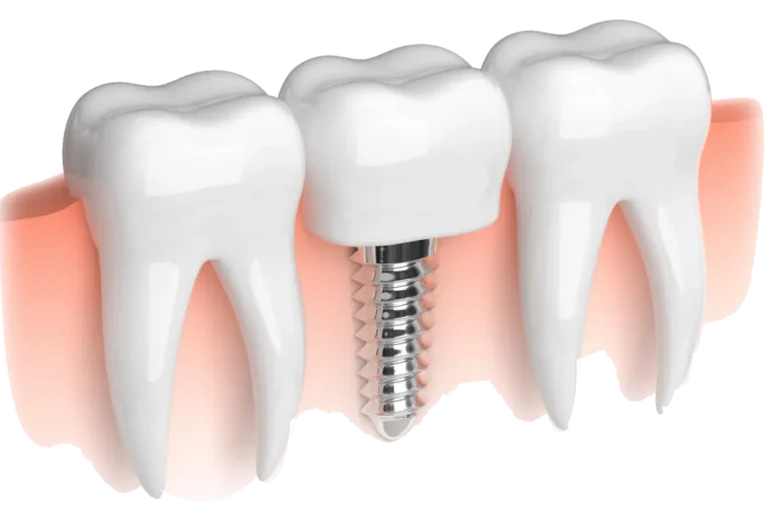
A dental implant is an artificial tooth root, usually made from a biocompatible material, that is placed into the jawbone. After healing, it can support a crown, bridge, or full-mouth prosthesis.
The goal is to create a replacement that looks, feels, and functions as naturally as possible.
Why Choose Dental Implants for Missing Teeth?
- Root replacement: Directly replaces the natural tooth root in the jawbone.
- Structural stability: Provides stable, durable support for crowns, bridges, or dentures.
- Functional restoration: Restores full chewing efficiency and speech clarity.
- Preserves healthy teeth: Does not require grinding down neighbouring natural teeth like traditional bridges.
- Bone preservation: Helps maintain natural jawbone structure and prevents facial sagging.
- Versatile application: Suitable for single, multiple, or full arch missing teeth.
Who Can Consider Dental Implants?
1. A Single Missing Tooth
A single implant supports one standalone replacement crown without compromising adjacent healthy teeth.
2. Multiple Missing Teeth
Implants can support individual crowns or an implant-supported bridge to close wide gaps efficiently.
3. Full or Near-Full Tooth Loss
Strategically placed implants can support fixed full-mouth arches or removable overdentures.
4. Loose or Ill-Fitting Dentures
Implant attachments significantly increase the stability, retention, and comfort of dentures.
Dental Implant Treatment Procedure: Step by Step
- Consultation and Oral Examination: Comprehensive clinical check of gum health, bone volume, bite alignment, and digital X-rays/3D CBCT scans.
- Individualised Treatment Planning: Determining implant positioning, prosthetic design, timeline, and any preparatory steps like bone grafting.
- Implant Placement: Gentle surgical placement of the biocompatible implant fixture under local anaesthesia.
- Healing and Osseointegration: The jawbone bonds securely to the implant surface over several weeks to months.
- Abutment and Final Tooth Placement: Attaching the connector abutment and securing your custom-crafted porcelain or zirconia crown.
Dental Implant vs. Dental Bridge
| Feature | Dental Implant | Dental Bridge |
|---|---|---|
| Replaces Tooth Root | Yes | No |
| Adjacent Tooth Involvement | Usually not required | Requires reshaping neighboring teeth |
| Surgical Procedure | Yes (minor in-clinic procedure) | No |
| Bone Preservation | Stimulates and maintains bone | Bone under the pontic may resorb |
| Lifespan Potential | Long-term / permanent with care | Typically 7–15 years |
Dental Implant Cost in Purnia: What Determines the Price?
The cost of dental implant treatment in Purnia depends on individual clinical factors, including:
- Number of implants and position of the missing teeth
- Implant brand and system selected
- Type of prosthetic crown (e.g., zirconia crown vs. PFM)
- Need for preparatory procedures (bone grafts or sinus lifts)
- Diagnostic imaging requirements (CBCT scans/digital X-rays)
An exact cost estimate is provided after a detailed clinical examination and 3D imaging assessment.
How to Care for Your Dental Implants
Daily At-Home Care
- Brush twice daily with a soft-bristle toothbrush
- Clean around implants using interdental brushes or floss
- Avoid smoking or tobacco use to support gum health
Professional Dental Visits
- Schedule routine check-ups every 6 months
- Undergo periodic professional teeth cleaning and gum care
- Monitor bite balance and crown stability
Frequently Asked Questions About Dental Implants
A dental implant is an artificial tooth root placed into the jawbone to support a replacement tooth, bridge, or dental prosthesis.
Dental implants are designed as a permanent tooth replacement solution. Their lifespan depends on good oral hygiene, bite health, and regular check-ups.
The procedure is carried out under local anaesthesia to ensure complete comfort. Post-procedure soreness is typically mild and managed with prescribed medication.
Cost varies according to the case complexity, number of implants, and chosen crown material. A personalised quote is provided after your clinical consultation.
Implants can be placed at any age once facial jaw growth is complete, provided the patient has adequate bone and good general health.
Book a Dental Implant Consultation in Purnia
Restore your smile, bite, and confidence with advanced missing tooth replacement at Apex Dental Clinic.
Book Your AppointmentRelated Dental Treatments in Purnia: